
Vegetarian Capsule Shells: 7 Essential Facts for 2026
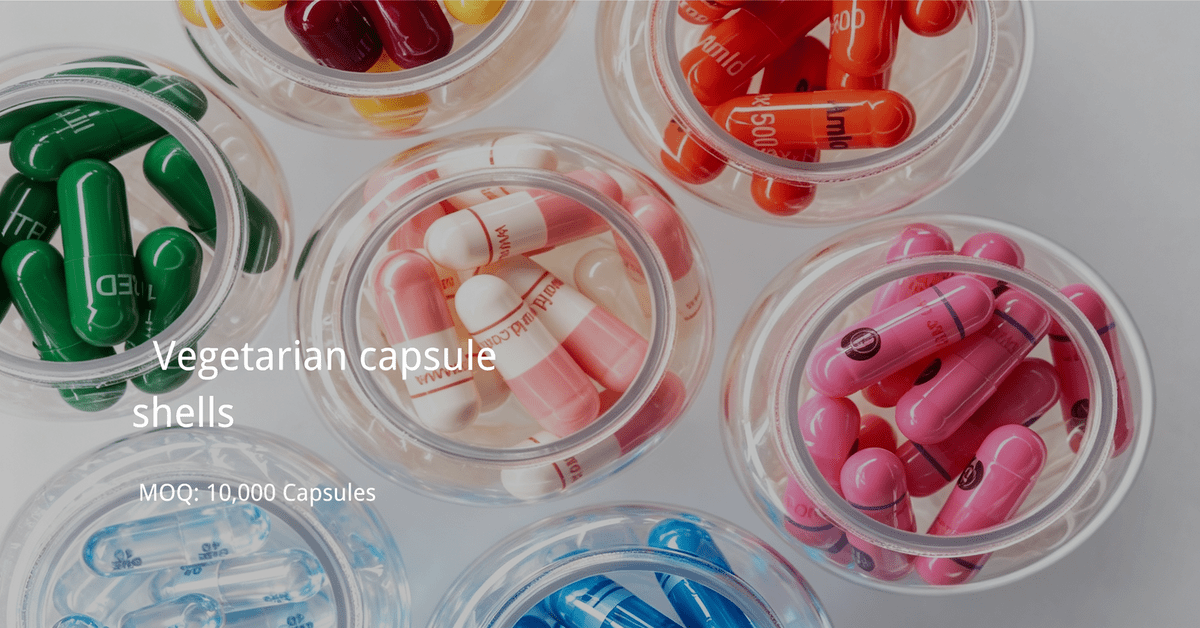
Vegetarian capsule shells are no longer a niche alternative. They are quickly becoming the default choice for clean-label, vegan-friendly, and halal-certified supplement brands worldwide. Whether you are formulating a new product or reformulating an existing one, understanding how these shells differ from traditional gelatin capsules will directly affect your product’s shelf stability, ingredient compatibility, and market positioning. This guide walks through what buyers and formulators need to know before making the switch.
Why Vegetarian Capsule Shells Are Gaining Ground Worldwide
Demand for vegetarian capsule shells has grown steadily as consumers move away from animal-derived ingredients. Industry data shows that non-gelatin shells, primarily HPMC and pullulan, are expanding faster than the overall capsule market, driven by religious compliance requirements, probiotic stability needs, and clean-label positioning. For brands selling into North America and Europe, offering this format is increasingly treated as a baseline expectation rather than a premium add-on. Retailers in these regions are also placing more weight on plant-based packaging claims during product review, which adds further pressure on brands still relying only on gelatin.
HPMC vs Pullulan Two Types of Vegetarian Capsule Shells
Not all vegetarian options are the same. HPMC shells are the most widely used, offering strong stability across temperature and humidity conditions along with broad compatibility across active ingredients. Pullulan shells, made through natural fermentation, are a newer alternative gaining attention for their low oxygen and moisture permeability, a meaningful advantage for oxidation-sensitive actives such as fish oil or probiotics. Choosing between the two usually comes down to how sensitive your fill material is and how much of a price premium your positioning can support.
Enteric Options for Acid-Sensitive Ingredients
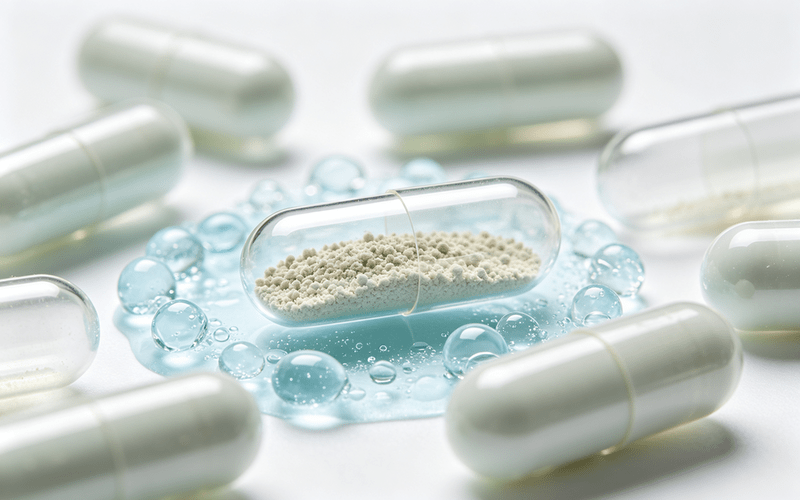
For probiotics, enzymes, and other acid-sensitive ingredients, standard shells may not survive stomach acid intact. Enteric-coated HPMC shells solve this by delaying disintegration until the capsule reaches the intestine, protecting the active ingredient and improving delivery consistency. This is one of the more common reasons brands request a switch away from gelatin during reformulation.
Formulation Compatibility Matters
Before switching, it is worth checking compatibility with your specific fill material. Highly hygroscopic powders, oily blends, and certain botanical extracts behave differently depending on shell type. Requesting a specification sheet and running a small filling trial is the safest way to confirm performance before committing to a full production run. Skipping this step is one of the most common causes of filling-line issues after a shell change.
Regulatory and Labeling Advantages
Vegetarian capsule shells support vegan, vegetarian, halal, and kosher label claims without additional certification steps required for gelatin alternatives. This makes them a practical choice for brands targeting multiple international markets from a single formulation, since the same batch can often carry several label claims at once.

Cost Considerations
These shells typically carry a modest price premium over standard gelatin capsules. However, for brands positioning around clean-label or plant-based claims, this cost is generally offset by stronger shelf appeal and broader market access. Many brands recover the difference through improved retail placement rather than through price increases at the consumer level.
Sourcing Vegetarian Capsule Shells from esubio
esubio supplies a full range of vegetarian capsule shells, including standard HPMC, enteric HPMC, and pullulan options, alongside standard and enteric gelatin capsules for brands that need both formats. All shells are available with specification sheets and sample requests, starting from a standard MOQ. Explore the complete lineup on our Capsule Shells and Granulation Solutions page, where you can compare each shell type side by side and request a sample directly.
If you are planning a reformulation and unsure which option fits your ingredient profile, our team can review your fill material and recommend a suitable shell before you commit to a production batch.
References
Mordor Intelligence. Empty Capsule Market Size & Share Analysis, 2026-2031. https://www.mordorintelligence.com/industry-reports/empty-capsule-market
Future Market Insights. Empty Capsule Market Size, Growth & Demand 2026-2036. https://www.futuremarketinsights.com/reports/empty-capsules-market