
esubio

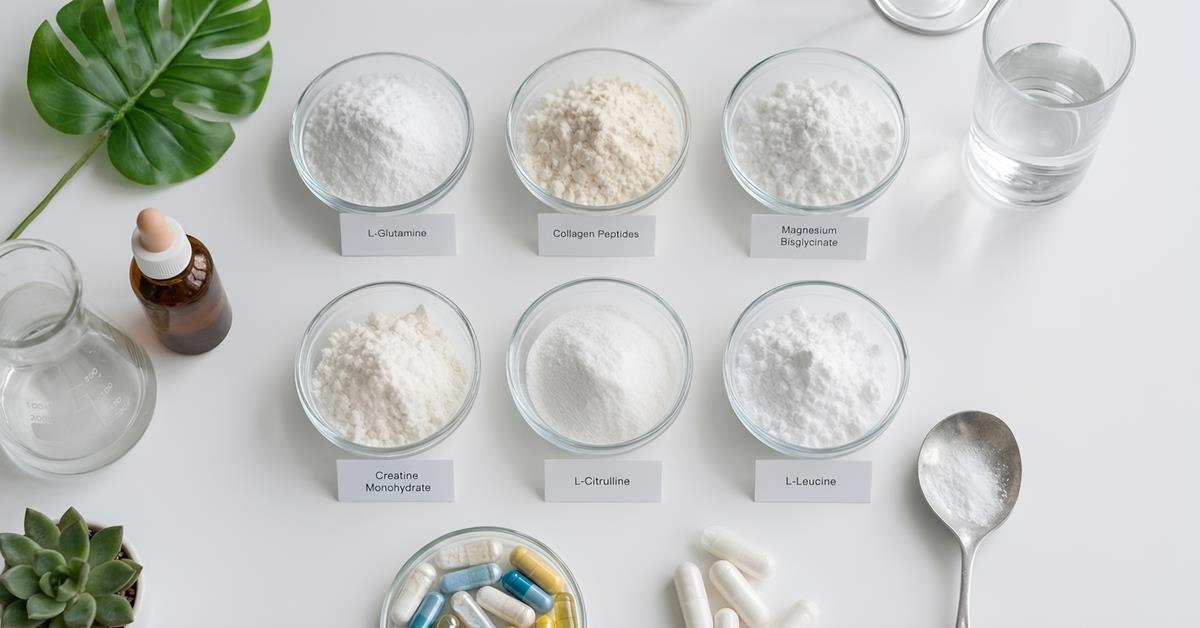
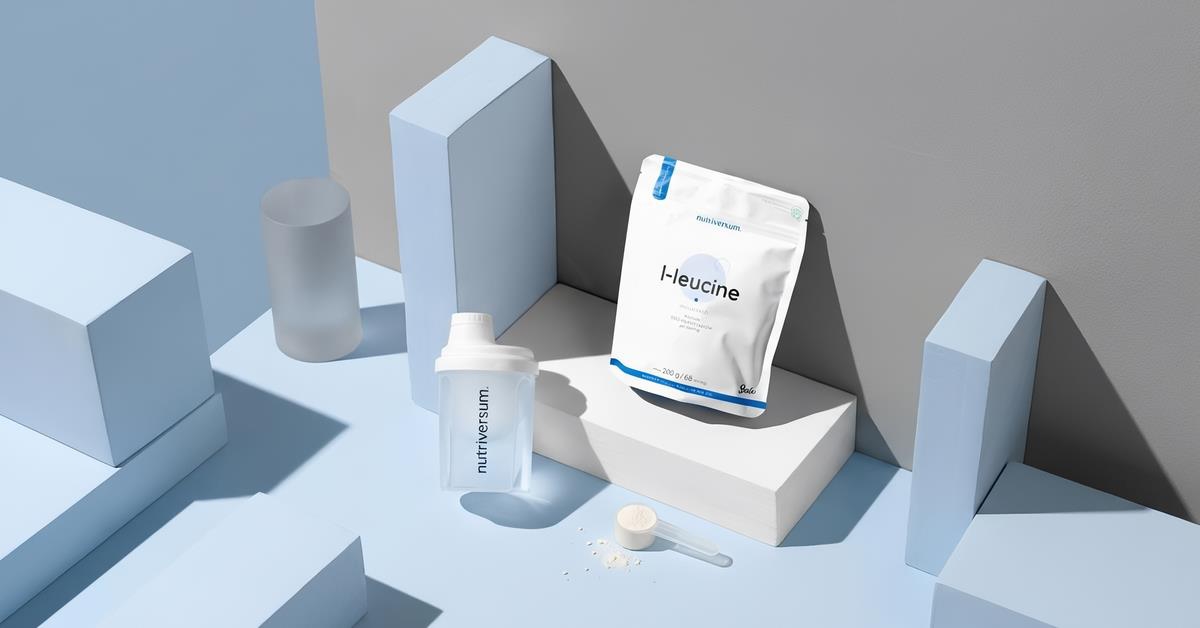
BCAA EAA blend formulation for sports nutrition powders

BCAA and EAA Blend Formulation: What Buyers Should Evaluate

BCAA and EAA Blend Formulation: What Buyers Should Evaluate Developing a sports nutrition powder with branched-chain amino acids (BCAAs) or essential amino acids (EAAs) involves more than selecting an ingredient list. A successful BCAA EAA blend formulation must also consider amino acid ratios, taste, solubility, mixability, powder characteristics, and the intended product format. For sports […]

BCAA and EAA Blend Formulation: What Buyers Should Evaluate Read More »
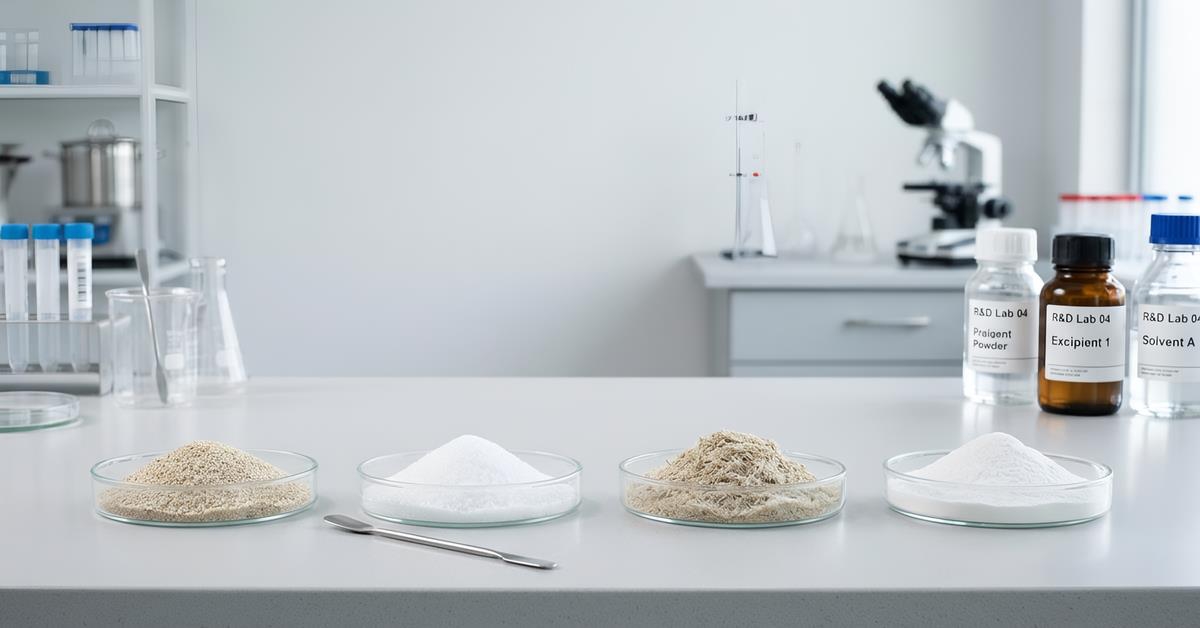
Low Aw excipients for probiotic formulations

Choosing Low Aw Excipients for Probiotic Formulations

Choosing Low Aw Excipients for Probiotic Formulations Selecting low Aw excipients for probiotics is an important part of developing stable powder and capsule formulations. A probiotic raw material may have a suitable specification on its own, but the finished blend can behave differently after the addition of carriers, prebiotic fibers, sweeteners, or other functional ingredients.

Choosing Low Aw Excipients for Probiotic Formulations Read More »

Water activity vs moisture content in powder ingredients

Water Activity vs Moisture Content: What Powder Ingredient Buyers Need to Know

Water Activity vs Moisture Content: What Powder Ingredient Buyers Need to Know When evaluating powder ingredients, water activity vs moisture content is an important distinction that R&D, quality assurance, and procurement teams should understand. These two measurements are related, but they do not describe the same property. A powder may meet its moisture specification and

Water Activity vs Moisture Content: What Powder Ingredient Buyers Need to Know Read More »

Amino acid RFQ and ingredient specifications for sports nutrition

How to Write an Effective Amino Acid RFQ: A Guide for Buyers and R&D Teams

How to Write an Effective Amino Acid RFQ: A Guide for Buyers and R&D Teams An effective amino acid RFQ helps suppliers understand exactly what a buyer needs before preparing a quotation. However, many inquiries contain only a product name and a requested quantity. For example: “I need L-Citrulline. Please send your best price.” This

How to Write an Effective Amino Acid RFQ: A Guide for Buyers and R&D Teams Read More »

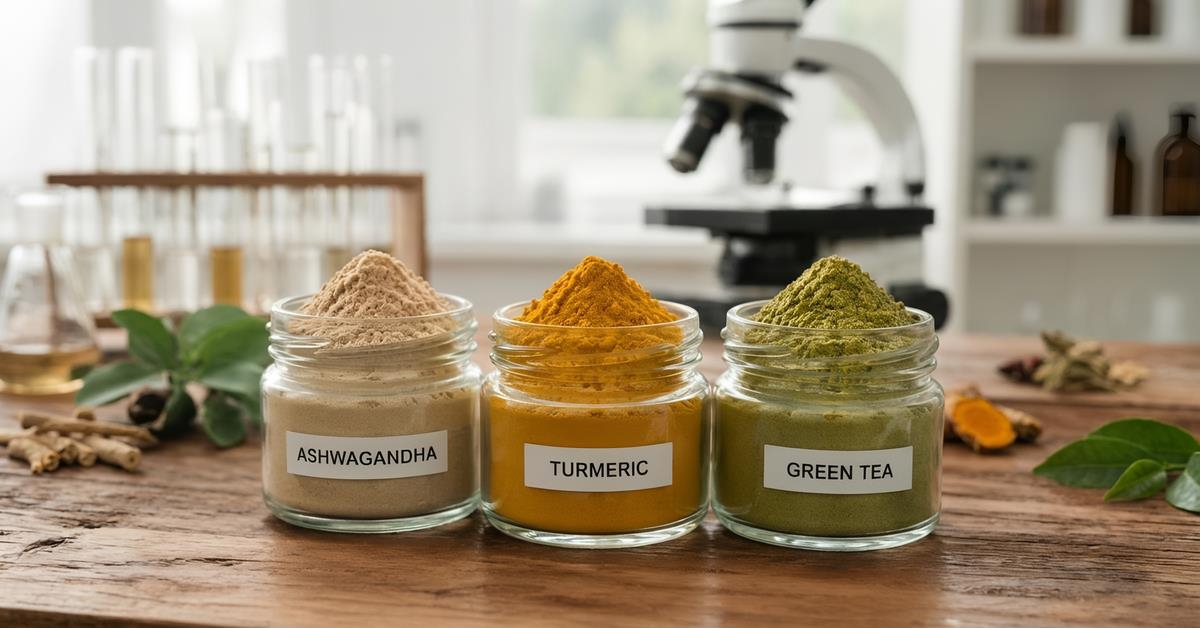
Botanical extract sourcing and comparison of standardized plant extracts

Comparing Botanical Extract Quotes? What Buyers Should Check First

Comparing Botanical Extract Quotes? What Buyers Should Check First Botanical extract sourcing can become complicated when two suppliers offer the same product name at noticeably different prices. One quotation may list Green Tea Extract, Turmeric Extract, or Ashwagandha Extract, while another supplier uses exactly the same product name but provides a different specification and price.

Comparing Botanical Extract Quotes? What Buyers Should Check First Read More »

Probiotic blend development with probiotic powder and excipients

Probiotic Blend Development: Why Individual Ingredient Specifications Are Not Enough

Probiotic Blend Development: Why Individual Ingredient Specifications Are Not Enough Probiotic blend development requires more than selecting ingredients that individually meet their specifications. A probiotic powder may pass its incoming quality checks, and each prebiotic fiber, carrier, botanical extract, or processing aid may have an acceptable certificate of analysis (COA). However, once these materials are

Probiotic Blend Development: Why Individual Ingredient Specifications Are Not Enough Read More »

Botanical extract standardization and ingredient quality evaluation

Botanical Extract Standardization: Why a Higher Ratio Is Not Always Better

Botanical Extract Standardization: Why a Higher Ratio Is Not Always Better When comparing botanical extracts, buyers often encounter specifications such as 10:1, 20:1, 50:1, or even higher extraction ratios. At first glance, a higher ratio may appear to indicate a stronger or more concentrated ingredient. It can be tempting to use this number as the

Botanical Extract Standardization: Why a Higher Ratio Is Not Always Better Read More »

Powder caking and flowability in functional ingredient formulations

Powder Caking and Flowability: What Formulators Should Investigate

Powder Caking and Flowability: What Formulators Should Investigate A powder blend may look uniform when it leaves the production line, but several weeks later it may become difficult to pour, form hard lumps, or show inconsistent flow during filling. For supplement brands and powder manufacturers, these problems can affect more than appearance. Caking and poor

Powder Caking and Flowability: What Formulators Should Investigate Read More »

Ingredient supplier change and raw material quality review

Ingredient Supplier Change: What R&D and Procurement Should Review

Ingredient Supplier Change: What R&D and Procurement Should Review Changing an ingredient supplier may look like a straightforward purchasing decision. A new source offers a better price, shorter lead time, or more flexible minimum order quantity. If the product name and specification appear to match, it may seem reasonable to proceed with the replacement. But

Ingredient Supplier Change: What R&D and Procurement Should Review Read More »

BCAA and EAA ingredient sourcing for sports nutrition powder formulation

Beyond Purity: How to Source BCAA and EAA Ingredients for Better Formulation

Beyond Purity: How to Source BCAA and EAA Ingredients for Better Formulation BCAA and EAA ingredient sourcing involves more than finding amino acids with a high stated purity. For sports nutrition brands, powder contract manufacturers, and dietary supplement developers, ingredient selection can influence formulation design, blending performance, product consistency, and manufacturing efficiency. A successful sourcing

Beyond Purity: How to Source BCAA and EAA Ingredients for Better Formulation Read More »