
Pet Nutrition Excipients: Why Low Water Activity Is the Fastest-Growing Spec
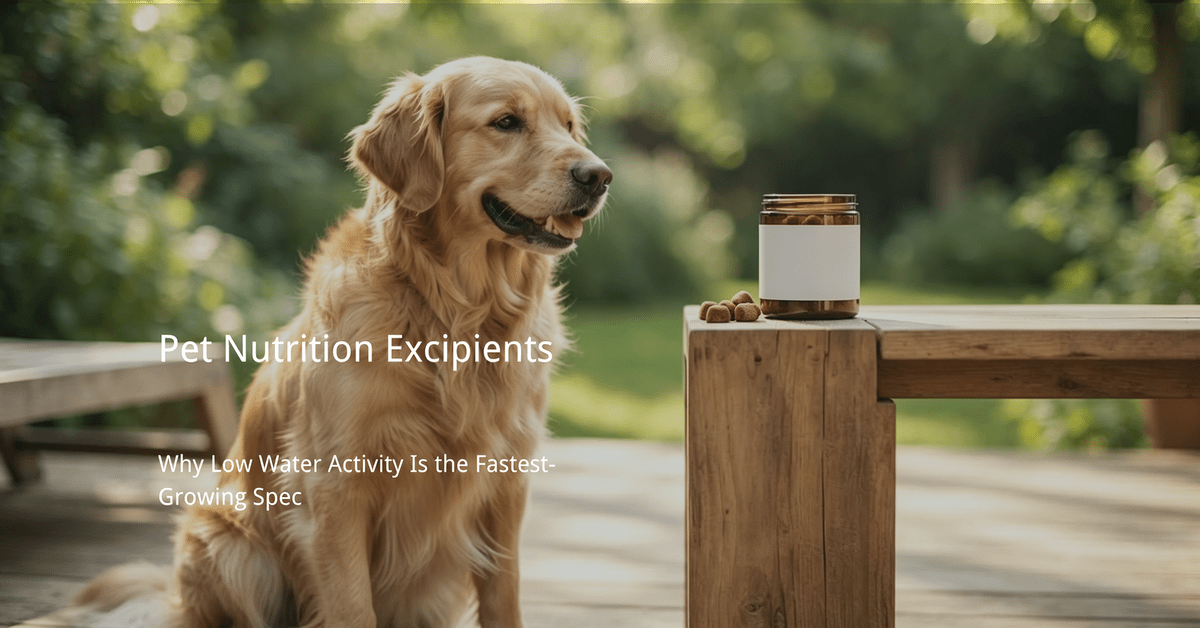
Pet nutrition and supplement brands are increasingly formulating with the same rigor human nutraceutical brands apply. Probiotic strains, active enzymes, and moisture-sensitive actives are all common in premium pet supplement lines today, and pet nutrition excipients are catching up to meet the same water activity sensitivities their human-formulation counterparts have worked with for years.
Why this category moves faster than pharma
Compared to pharmaceutical excipient qualification, pet nutrition formulators typically face a shorter approval cycle and fewer regulatory gatekeepers, while still caring about the same underlying performance — carrier stability, shelf life, and CFU retention for probiotic strains. That combination makes pet nutrition excipients one of the more accessible entry points for newer or alternative excipient suppliers to be evaluated on merit rather than incumbency.
What’s driving the growth
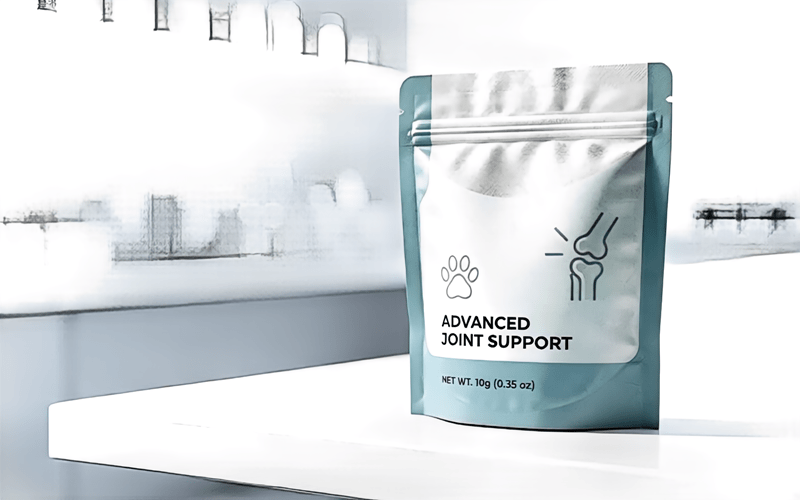
Premiumization in the pet category has pushed formulation complexity well beyond basic vitamin-mineral premixes. Probiotic-enriched treats, joint-support chews with active enzyme components, and functional supplements targeting gut health in dogs and cats all carry moisture-sensitivity profiles similar to their human-market equivalents. As these product types have grown, so has demand for pet nutrition excipients with documented water activity performance rather than generic “food-grade” specification alone.

What to specify for common pet nutrition formats
Low-Aw carriers — mannitol, erythritol — are increasingly specified for probiotic and enzyme premixes in pet products, following the same logic used in human probiotic carrier selection. Moisture-scavenging excipients become relevant where a formulation combines an active with higher-moisture ingredients like palatants or flavoring agents, which are common in pet products specifically to improve acceptance. Food-grade compliance documentation — FSSC 22000, ISO 22000, or equivalent — is generally the right benchmark here, rather than pharma-grade compendial compliance, since most pet nutrition products fall under food or feed regulatory frameworks rather than pharmaceutical ones.
Sourcing considerations specific to pet nutrition
Because pet nutrition brands often run smaller batch sizes than mainstream human supplement manufacturers, MOQ flexibility and sample availability matter more here than in typical pharma sourcing conversations. A supplier that requires multi-ton minimum orders isn’t practical for a newer pet nutrition brand still validating formulation and demand. Confirming MOQ, sample lead time, and packaging flexibility upfront saves a wasted qualification cycle.
How this compares to human probiotic carrier selection
The underlying science is largely the same — water activity drives CFU retention and shelf stability regardless of species. What differs is the regulatory pathway and, often, the batch economics. Formulators moving between human and pet nutrition categories can generally apply the same water activity thresholds discussed in Probiotic Carrier Water Activity: 5 Rules for Choosing the Right Filler, adjusted for the food-grade rather than pharma-grade compliance framework.
Looking ahead
As pet nutrition formulation complexity continues to track human nutraceutical trends, expect water activity to become a standard line item on pet nutrition excipient spec sheets rather than a differentiator only premium brands ask about. Suppliers who can already provide this data have a real advantage with formulators moving in this direction.
Esubio supplies low-Aw excipients to pet nutrition and supplement manufacturers, with sample quantities available and food-grade compliance documentation provided per shipment. Browse our Low Water Activity Excipients range or reach out with your batch size and format — we’ll help you find a fit.
References
- S. FDA, “Water Activity (aw) in Foods” — https://www.fda.gov/inspections-compliance-enforcement-and-criminal-investigations/inspection-technical-guides/water-activity-aw-foods
- Wikipedia, “Water activity” — https://en.wikipedia.org/wiki/Water_activity
- Food Safety Magazine, “Water Activity’s Role in Food Safety and Quality” — https://www.food-safety.com/articles/4420-water-activitye28099s-role-in-food-safety-and-quality