
Bulk Amino Acid Supplier: 5 Critical Mistakes New Brands Make
New sports nutrition and recovery brands often rush the process of finding a bulk amino acid supplier, focusing on price per kilogram without evaluating the factors that actually determine product quality and supply reliability. This article covers five critical mistakes to avoid, so your sourcing decision supports your product — not just your launch timeline.
Why Sourcing From the Right Bulk Amino Acid Supplier Matters
Amino acid ingredients like BCAA, EAA, and Creatine Monohydrate are foundational to sports nutrition formulations. Inconsistent particle size, purity, or solubility from a bulk amino acid supplier can affect everything from mixability to shelf stability in your finished product.
5 Mistakes to Avoid When Choosing a Bulk Amino Acid Supplier
1. Skipping the Sample Stage
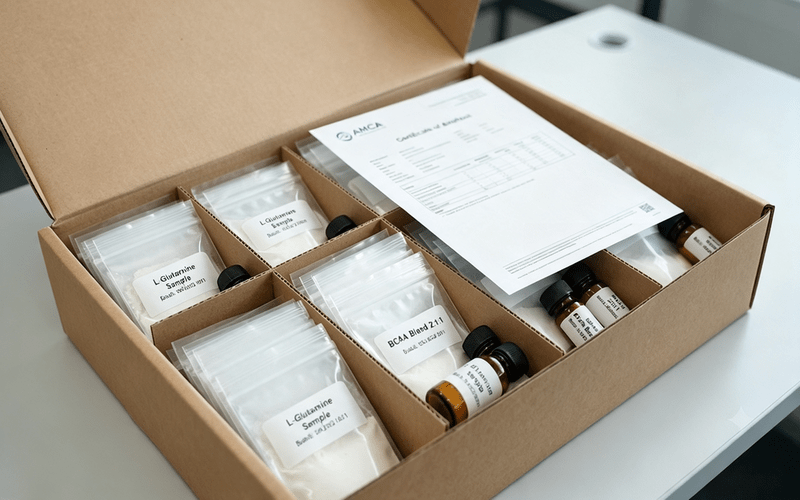
Ordering bulk volume without first testing a sample is one of the most common — and costly — mistakes. A reliable bulk amino acid supplier should offer sample quantities with a 3-5 day turnaround.
2. Not Requesting CoA and MSDS Documentation
Every batch should come with a Certificate of Analysis and Material Safety Data Sheet. Without these, you have no independent way to verify purity or safety data.
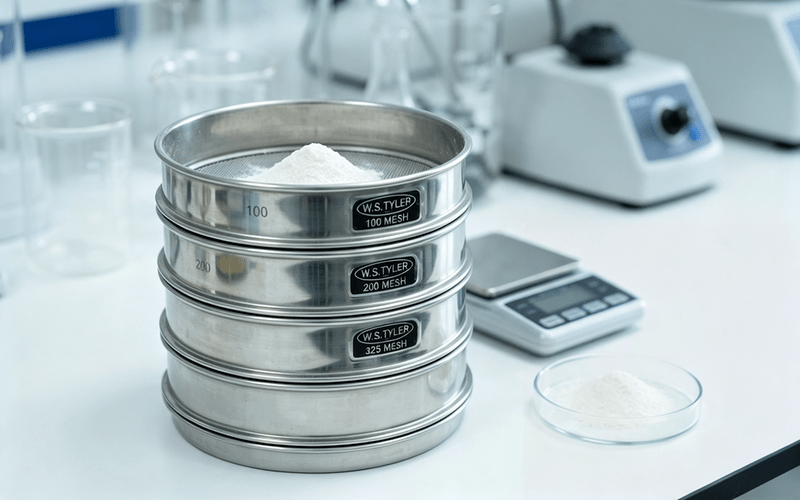
Overlooking Certification Standards
ISO and HACCP certification indicate a documented quality system. A bulk amino acid supplier without recognized certifications introduces unnecessary compliance risk.
4. Ignoring MOQ Flexibility
Brands early in product development benefit from a bulk amino acid supplier offering low MOQ (starting from 1kg), allowing formulation testing without a large upfront financial commitment.
5. Underestimating Communication and Lead Times
Delays in supplier communication compound quickly across a supply chain. A 24-hour response standard should be a minimum expectation, not a bonus.
What to Ask a Bulk Amino Acid Supplier Before Ordering
Beyond documentation, ask about particle size specifications, solubility testing, and whether custom blends (such as BCAA-EAA combinations) can be formulated in-house. According to ISO’s quality certification framework, consistent documented processes are what separate reliable manufacturing partners from inconsistent ones — a standard worth applying directly to ingredient sourcing.
Sourcing Amino Acids the Right Way
Our amino acid ingredient range includes BCAA, EAA, Creatine Monohydrate, and single amino acids like L-Glutamine and L-Arginine, all backed by CoA and MSDS documentation. Explore our amino acid supplier page or get a quote to start with a sample order.
Avoiding these five mistakes when evaluating a bulk amino acid supplier protects both your formulation quality and your production timeline — two things worth more than a marginally lower price per kilogram.
References
ISO — Certification and Quality Management Standards
https://www.iso.org/certification.htmlNIH Office of Dietary Supplements
https://ods.od.nih.govU.S. Food and Drug Administration — Dietary Supplements
https://www.fda.gov/food/dietary-supplements