
Satiety Formulation Framework: Building a Multi-Phase Blend for Product Developers
Understanding each individual phase is one thing — combining them into a single, coherent product is a different exercise. This piece pulls together the previous five posts in this series into a practical satiety formulation framework: what to prioritize, what tends to conflict, and how format constraints change the answer.
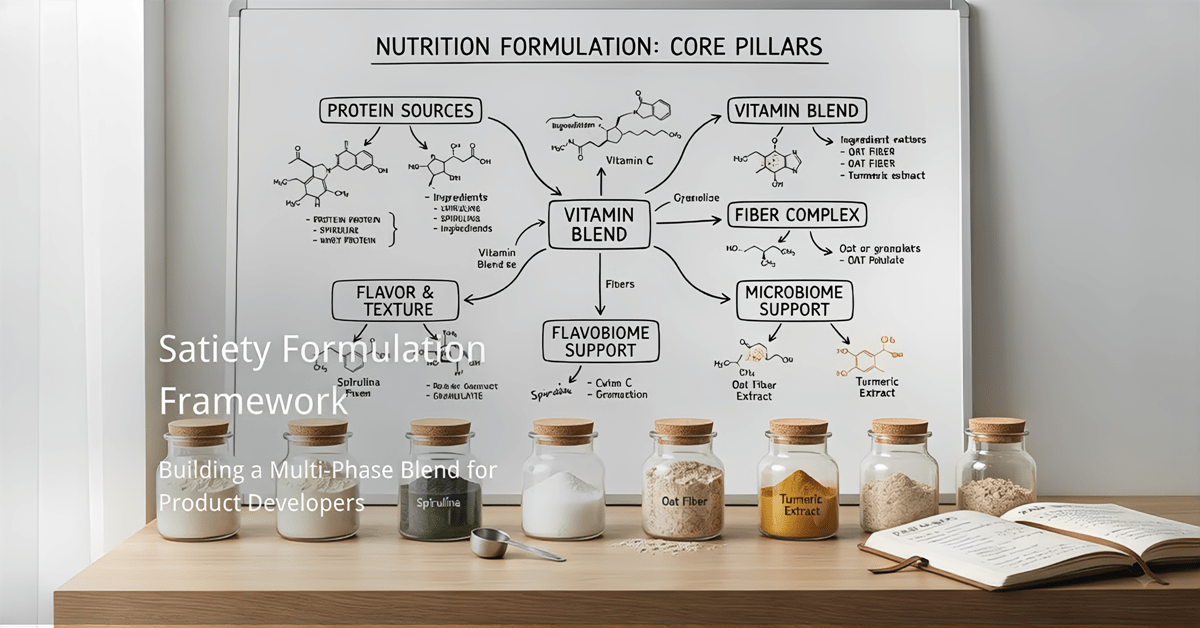
Start from the gap you’re trying to close
Before selecting ingredients, it’s worth being specific about which part of the digestive timeline the finished product actually needs to cover. A snack-replacement product marketed for mid-morning use has a different priority window than one meant to bridge a longer afternoon-to-dinner gap. The five-phase map from Multi-Stage Satiety Formulation: Why One Ingredient Isn’t Enough is the starting reference point — most formulations don’t need all five phases at full strength, but most benefit from covering at least three consecutive ones without a gap.
A practical starting structure
A common structure covers the fast-onset phase lightly (enough for early mouthfeel and initial fullness, without overwhelming the format with bulking fiber), the early hormone-release phase more heavily (protein and/or MCT as the primary functional driver), and the mid-window viscous fiber phase as a secondary support layer. Whether to extend into the two-hour and colonic phases generally depends on the product’s positioning — a single-serving snack bar has less need for a 6-hour tail than a meal-replacement product does.
Where ingredients tend to conflict
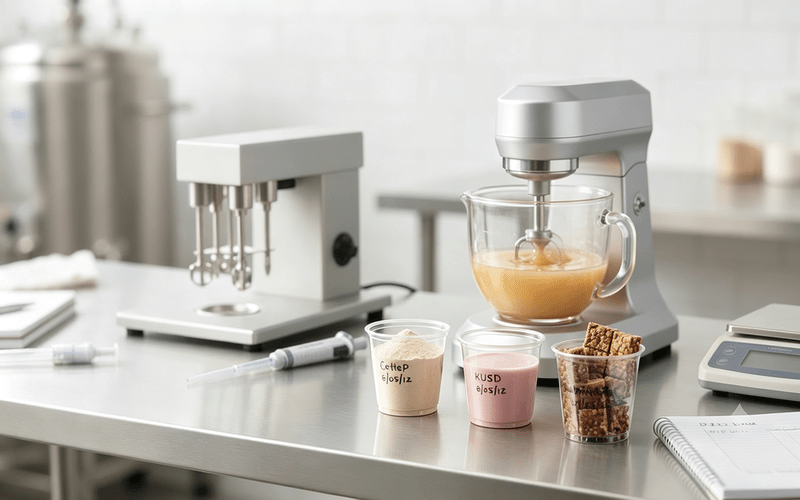
Viscosity is the most common source of formulation conflict in this category. High-viscosity fibers from the one-hour window can interact with protein solubility from the 30-minute window, sometimes producing a texture or mouthfeel that undermines an otherwise sound ingredient strategy — this is more of a formulation-science problem than an ingredient-selection one, and it typically needs to be resolved through pilot-batch testing rather than solved on paper.
Format changes the calculus
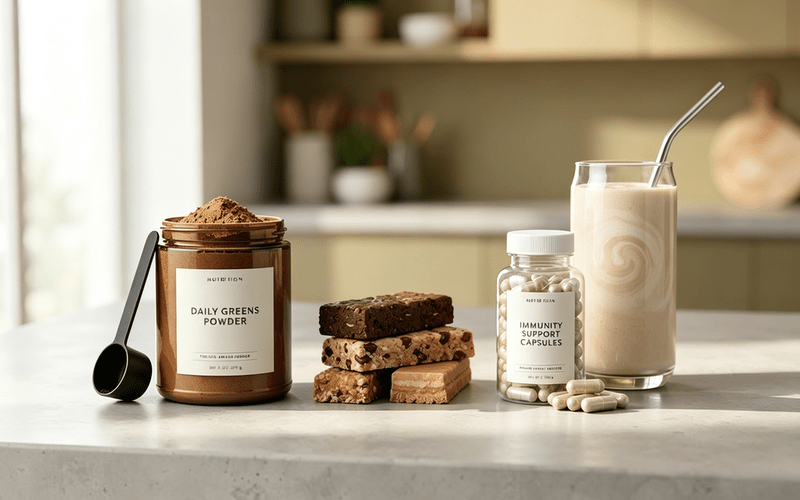
A capsule format has far more flexibility on taste and texture than a beverage or bar, which changes which phases are practical to include at meaningful dose levels. Beverage formats are particularly constrained by viscosity — a blend that reads well as a formulation strategy can be undrinkable at the concentrations needed to hit target doses, which is often the real reason product development cycles in this category run longer than initially planned.
Dosing needs to be format-tested, not assumed
Literature-reported effective doses for individual ingredients — glucomannan, beta-glucan, inulin, and others — are generally established in isolated ingredient studies, not in combination with several other functional ingredients in one format. Building a blend at the sum of individually-cited doses is a reasonable starting hypothesis, but it should be verified through actual pilot testing in the target format rather than assumed to translate directly.
A note on claims
Ingredient-level mechanism data is useful for R&D and formulation decisions. It is not the same thing as finished-product clinical evidence, and the two shouldn’t be conflated in labeling or marketing copy — a formulation built on well-documented ingredient mechanisms still needs its own substantiation if specific claims are made about the finished product. This distinction matters more in this ingredient category than in most others, given how much regulatory attention is currently focused on satiety and metabolic health marketing claims.
We source ingredients across all five phases covered in this series and can help you think through which combination fits a specific format and positioning. Get in touch with your target use case and format constraints.
References
- Nutrient detection by incretin hormone secreting cells — PMC — https://www.ncbi.nlm.nih.gov/pmc/articles/PMC3361765/
- Effects of glucagon-like peptide 1 on appetite and body weight: focus on the CNS — Journal of Endocrinology — https://joe.bioscientifica.com/view/journals/joe/221/1/T1.xml